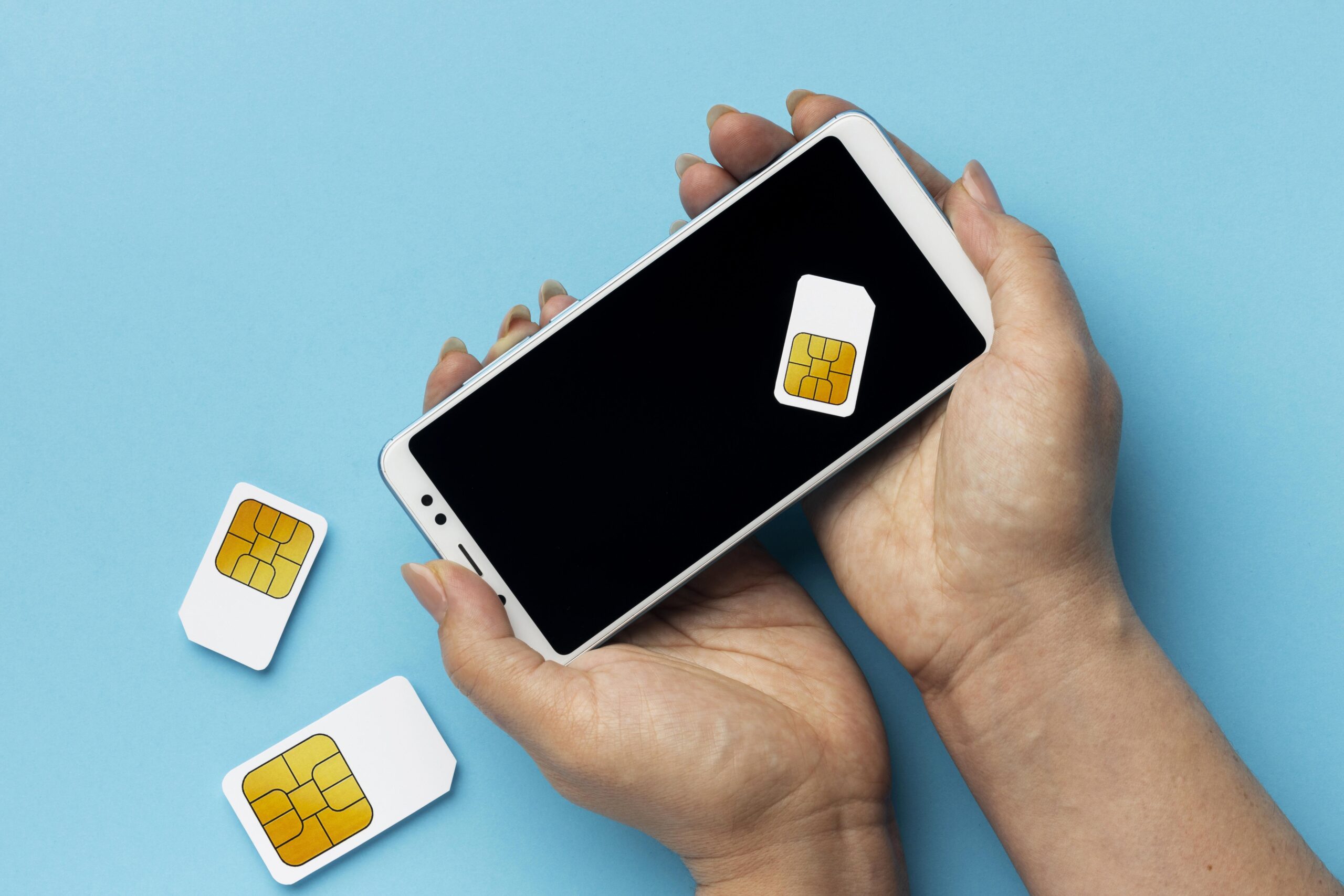
eSIM technology is revolutionising global mobile connectivity. While it has existed for nearly a decade, widespread adoption has lagged. Now, new trends particularly rising travel demand and greater device compatibility are accelerating growth.
Today, more smartphone manufacturers are introducing devices with built-in eSIM support, and travellers are discovering how convenient the technology can be. As a result, analysts and industry experts believe that the next few years could bring a major shift in how people access mobile connectivity. Recent eSIM news highlights that increased device support and the growing travel market are among the most important factors driving this change.
In this article, we’ll explore why eSIM adoption is rising, how travel fuels demand, and the challenges that must be addressed before the technology becomes mainstream.
Understanding eSIM Technology
An eSIM is an integrated SIM technology that is permanently installed inside a device, allowing users to activate mobile network plans digitally instead of inserting a physical SIM card. Unlike traditional SIM cards, which must be physically inserted into a phone, an eSIM can be activated remotely via software.
This technology enables users to switch carriers, activate data plans, or add international service without having to replace physical cards. Recent eSIM news highlights that this versatility is a major factor behind the growing demand for eSIMs.
Another benefit is refined device design. Eliminating the physical SIM slot allows manufacturers to allocate more internal space to bigger batteries or extra hardware features.
Device Compatibility Is Expanding
One of the biggest drivers of eSIM adoption is the growing number of compatible devices.
The initial smartphones with eSIM technology debuted in 2017 and 2018. These early flagships introduced digital SIM activation to users. Since then, many manufacturers have steadily expanded eSIM support across their portfolios. In recent years, some smartphone makers have even introduced models that rely entirely on eSIM technology in certain markets. These devices eliminate the physical SIM slot, encouraging users to switch to digital connectivity.
Recent eSIM news also shows that eSIM support is expanding beyond premium devices. Mid-range smartphones are increasingly adopting the technology, which could substantially boost global adoption over time.
Industry data suggests that approximately [specific number, e.g., 40–50] new smartphones with eSIM capabilities are released each year. As compatibility increases, more consumers will experience the technology firsthand.
The Role of Chinese Smartphone Brands
A major factor influencing eSIM adoption is the involvement of prominent Asian smartphone manufacturers. Chinese brands hold significant market share in many emerging economies across Asia, Africa, and Latin America. If these companies expand eSIM support across their devices, the technology could reach millions of new users.
However, most experts believe the transition will be gradual. Many manufacturers are expected to release phones that support both physical SIM cards and eSIM technology during the transition phase.
This dual-SIM strategy enables users to experience eSIM advantages without fully abandoning traditional SIM cards.
Travel Is Driving eSIM Adoption, Building Momentum.
Among the many developments covered in recent eSIM news, travel has become one of the most important drivers of eSIM growth.
International travellers often face high roaming fees or the inconvenience of buying local SIM cards. eSIM technology offers a more convenient solution by allowing users to purchase mobile data plans digitally before or during their trips.
With eSIM, travellers can activate a data plan instantly without visiting a mobile store or swapping SIM cards at the airport. This convenience has made the technology particularly appealing to frequent travellers.
Many users experience eSIM for the first time during international travel. After discovering its benefits, some continue using eSIM services even after returning to their home country.
Growth of Travel-Focused eSIM Services
Surging demand for travel connectivity has prompted several technology firms to develop platforms tailored for international eSIM services. These platforms let users browse data plans, purchase destination-specific packages, and activate them directly through mobile apps. The process is simple and typically takes only a few minutes. Many travel-focused eSIM providers have reported strong growth in recent years as more travellers adopt digital connectivity solutions.
Industry insights cited in eSIM news reveal that investors are increasingly interested in startups offering travel-oriented eSIM services. As global tourism rises, these platforms could become key to expanding the eSIM ecosystem.
Investor Interest and Market Growth
The rapid expansion of travel-related eSIM services has attracted attention from venture capital firms and technology investors.
Several companies operating in the eSIM space have raised funding to expand their infrastructure, improve user experiences, and enter new markets. Investors see strong long-term potential as the number of compatible devices increases worldwide.
While travel is a leading use case today, analysts believe eSIM adoption may eventually expand into domestic mobile services as well.
As mobile operators upgrade their networks and digital activation systems, more consumers may begin using eSIM for everyday connectivity.
Challenges Slowing eSIM Adoption
Despite the positive developments highlighted in recent eSIM news, several obstacles persist, hindering widespread adoption.
Limited Public Awareness
Many consumers remain unfamiliar with eSIM technology and its functionality. Lacking clear guidance, some hesitate to migrate from traditional SIMcards. To address this issue, companies are investing in marketing campaigns and educational content to help consumers understand the benefits of digital SIM technology.
Installation Process Complexity
Another challenge involves the activation process. In many cases, users receive a QR code via email that must be scanned to install the eSIM.
This process can sometimes be inconvenient, especially for travellers who only have one device available. Simplifying the activation process will improve the overall user experience.
Network Infrastructure Limitations
Some network operators hesitate to adopt eSIMs because they rely on legacy infrastructure that requires upgrades and investment. As telecom providers modernise their networks, however, this barrier is expected to gradually decrease.
Frequently Asked Questions About eSIM Technology.
What is an eSIM?
An eSIM is a digital SIM card embedded inside a device that allows users to activate mobile network plans without inserting a physical SIM card.
Why is eSIM becoming popular?
Recent eSIM news shows that eSIM technology is gaining popularity because it makes switching networks easier, simplifies international travel connectivity, and supports more flexible device designs.
Can I use eSIM while travelling internationally?
Yes. Many travellers use eSIM services to purchase international data plans before arriving at their destination, avoiding roaming charges and the need to purchase a local SIM.
Are all smartphones compatible with eSIM?
No, but the number of compatible smartphones is growing each year as more manufacturers integrate eSIM technology into their devices.
How does the security of an eSIM compare with a traditional SIM card?
In many cases, eSIMs offer improved security because the chip is embedded in the device and cannot be physically removed or swapped.
Will eSIM completely replace physical SIM cards?
Experts believe the transition will happen gradually. Many devices currently support both physical SIM cards and eSIMs, giving users flexibility.
Conclusion
The global adoption of eSIM technology is still in its early stages, but recent trends suggest that momentum is building. Growing device compatibility, increasing traveller demand, and continued investment in digital connectivity services are all contributing to its expansion.
As highlighted in current eSIM news, the future of mobile connectivity may increasingly rely on digital SIM technology. While challenges such as consumer awareness and activation processes still need improvement, the industry’s overall direction is clear.
With more smartphones supporting eSIM and travellers embracing its convenience, the technology is likely to play a much larger role in how people connect to mobile networks in the years ahead.





Leave a Reply