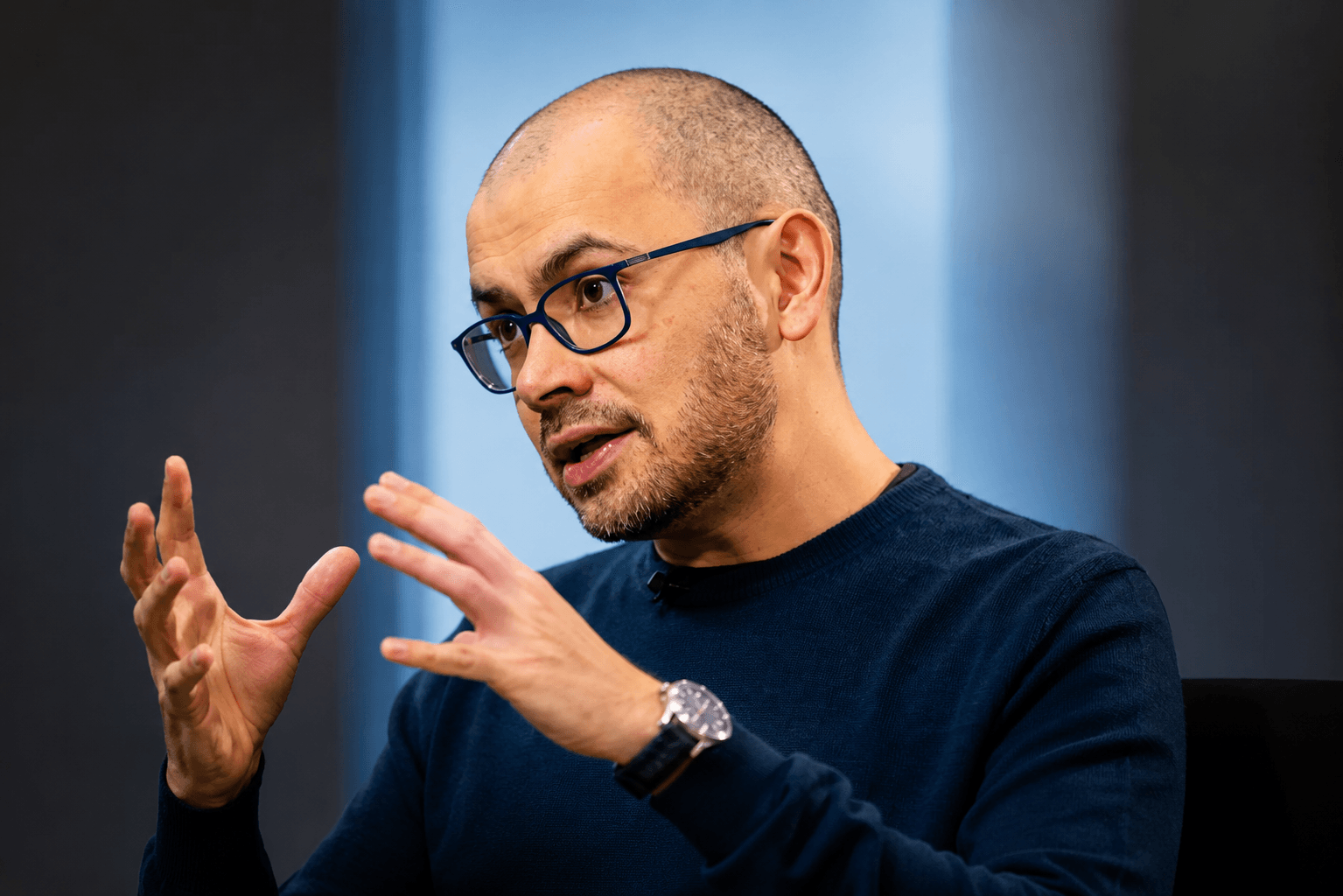
Google DeepMind CEO Demis Hassabis has proposed creating an independent standards body to evaluate advanced artificial intelligence models before they are released publicly. The proposal comes as governments, technology companies, and AI researchers continue debating how increasingly powerful AI systems should be reviewed without slowing innovation.
Hassabis believes frontier AI models have reached a stage where voluntary internal testing alone may no longer be sufficient. He argues that an independent technical organisation could establish consistent evaluation standards, identify potential risks before deployment, and improve public confidence while allowing AI companies to continue developing new technologies responsibly.
Independent Reviews Could Become Part of AI Releases
According to the proposal, developers of frontier AI systems would voluntarily submit their models to the standards body before public deployment. The organisation would conduct technical assessments covering safety, security, reliability, and other critical risks before new models reach users.
Hassabis suggests the framework could initially operate through voluntary cooperation. If the evaluation process proves reliable and effective, similar assessments could eventually become part of future AI deployment requirements.
Industry Experts Would Lead the Standards Body
Rather than creating a traditional government regulator, the proposal recommends an independently operated organisation supported by the AI industry.
The standards body would bring together AI researchers, technical specialists, open-source contributors, and safety experts to establish common testing procedures. This collaborative structure is intended to provide expert-led evaluations while remaining independent of individual technology companies.
Proposal Responds to Growing AI Governance Challenges
The recommendation follows recent discussions surrounding government reviews of advanced AI models, where questions were raised about transparency, technical expertise, and consistency.
Hassabis believes a specialised organisation dedicated to frontier AI could deliver more predictable and technically informed assessments while adapting its testing methods as AI capabilities continue advancing.
Instead of relying on fixed regulatory processes, the framework aims to evolve alongside new developments in artificial intelligence.
Balancing Innovation With Responsible AI Development
One of the proposal’s central objectives is finding a balance between encouraging technological innovation and reducing potential risks.
Supporters of the concept argue that independent technical reviews could strengthen public trust without creating unnecessary obstacles for AI developers. At the same time, companies would still be able to improve products while following shared evaluation standards developed by industry experts.
This approach seeks to encourage responsible deployment rather than restricting technological progress.
AI Regulation Debate Continues Worldwide
Artificial intelligence governance remains one of the technology industry’s most debated topics.
Some policymakers favour stronger oversight as AI models become increasingly capable, while others warn that excessive regulation could limit innovation and competitiveness. Hassabis’ proposal offers an alternative model that combines independent technical expertise with industry participation instead of relying exclusively on government regulation.
Whether such a framework gains wider support remains uncertain, but the proposal is likely to contribute to ongoing global discussions about the future of AI oversight.
Frequently Asked Questions
What has DeepMind CEO Demis Hassabis proposed?
He has proposed creating an independent standards body that would evaluate frontier AI models before they are released publicly.
Would the organisation be part of the government?
No. The proposal suggests an independently operated organisation supported by the AI industry while remaining separate from individual technology companies.
Why does Hassabis want an independent standards body?
He believes advanced AI models require consistent technical evaluations to improve safety, transparency, and public confidence before deployment.